


 Engineered Timber
Brown
Ashen 12/2mm (ETM6)
Pricing on request
View product details
- 12.0 mm
- Straight plank
Engineered timber guide
For customers who want genuine timber beauty with a more stable construction than solid boards. Compare species, veneer, grade, finish, herringbone pattern and installation method before you buy.
Book engineered timber consultRefined Melbourne dining room with broad natural engineered oak boards. Category inspiration only; compare the exact product and colour in person.
Popular filters
181 products
Engineered Timber
Brown

 Engineered Timber
Brown
 Engineered Timber
Brown
 Engineered Timber
Brown
 Engineered Timber
 Engineered Timber
 Engineered Timber
 Engineered Timber
 Engineered Timber
 Engineered Timber
 Engineered Timber
 Engineered Timber
 Engineered Timber
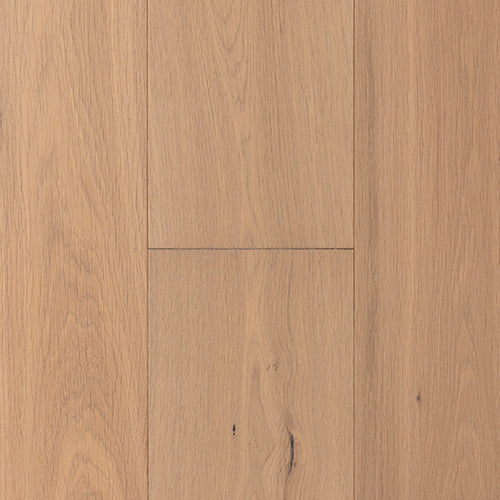
Why you will love it
A real timber top layer brings natural grain and tonal movement into the room, while the engineered base is designed to support a more predictable board construction than a single piece of solid wood.
Light moves across genuine grain rather than a printed repeat, so the floor gains depth as you walk through the room.
Boards will not be identical. Thoughtful blending turns sapwood, knots and tone shifts into a composed field rather than a surprise.
Straight planks feel expansive; parquet formats can establish a centreline, threshold moment or formal room rhythm.
Visual comparison
The timber stays authentic, but the pattern changes visual energy, board preparation and installer skill.
The most relaxed expression of natural grain. Board blending and plank width do most of the visual work.
Left and right pieces interlock at right angles. A clear datum line and careful perimeter planning keep the field balanced.
Precisely angled ends form a continuous point. The supplied angle, border design and adhesive method need to be resolved as one system.
Before you choose: Veneer thickness, refinishing potential, construction, adhesive approval and pattern availability are product-specific. Read the technical sheet before comparing value.
Planning guide
Engineered timber rewards early decisions about site conditions, board mix and pattern set-out. Those choices are part of the finished appearance.
Complete moisture testing and confirm the building is enclosed, conditioned and ready for timber under the product instructions.
Check whether the exact board permits floating, direct-stick or another method, and resolve subfloor preparation with the installer.
Open and dry-lay boards from several packs so natural colour and feature variation travel evenly through the room.
Discuss direct sun, window coverings, cleaning products and whether future surface renewal is possible for the selected construction.
A question worth asking
No small sample can represent every board in a natural timber floor. Species, grade, cut and finish all influence variation. The goal is not identical planks; it is a balanced installation that belongs together.
Verify before ordering
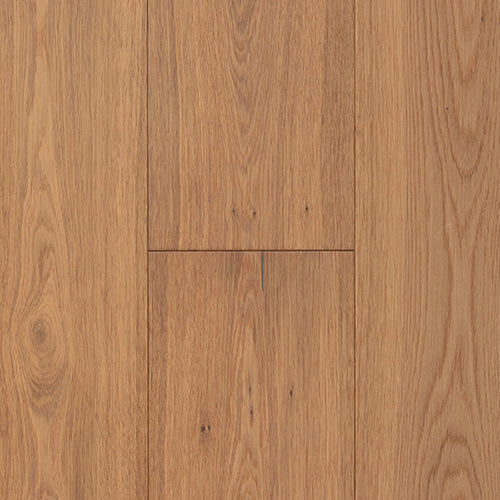
Supply + Install
Customer Questions
All timber responds to temperature and humidity. Engineered construction improves stability, but site conditions and expansion planning still matter.
Some products can be lightly sanded depending on veneer thickness. Confirm the exact product before buying if refinishing matters to you.
Yes. Herringbone needs more layout accuracy, cutting and usually more wastage than straight boards, so it should be quoted and installed by a team familiar with pattern floors.