


 Solid Timber
Brown
Reef Spotted Gum 18mm (SO20)
From $190.00
View product details
- Spotted Gum
- 18.0 mm
Solid timber guide
For customers who want a real timber floor that can age, be maintained and refinished over time. Choose it with proper site checks, acclimatisation and installation planning.
Book timber consultRestored Melbourne heritage home with rich Australian solid timber boards. Category inspiration only; compare the exact product and colour in person.
Popular filters
22 products
Solid Timber
Brown
 Solid Timber
 Solid Timber
 Solid Timber
 Solid Timber
Brown
 Solid Timber
Brown
 Solid Timber
Brown
 Solid Timber
Brown

 Solid Timber
 Solid Timber
 Solid Timber
 Solid Timber
 Solid Timber
 Solid Timber
 Solid Timber
 Solid Timber
 Solid Timber
Brown
 Solid Timber
Brown
 Solid Timber
Brown
 Solid Timber
Brown
 Solid Timber
Brown
 Solid Timber
Brown
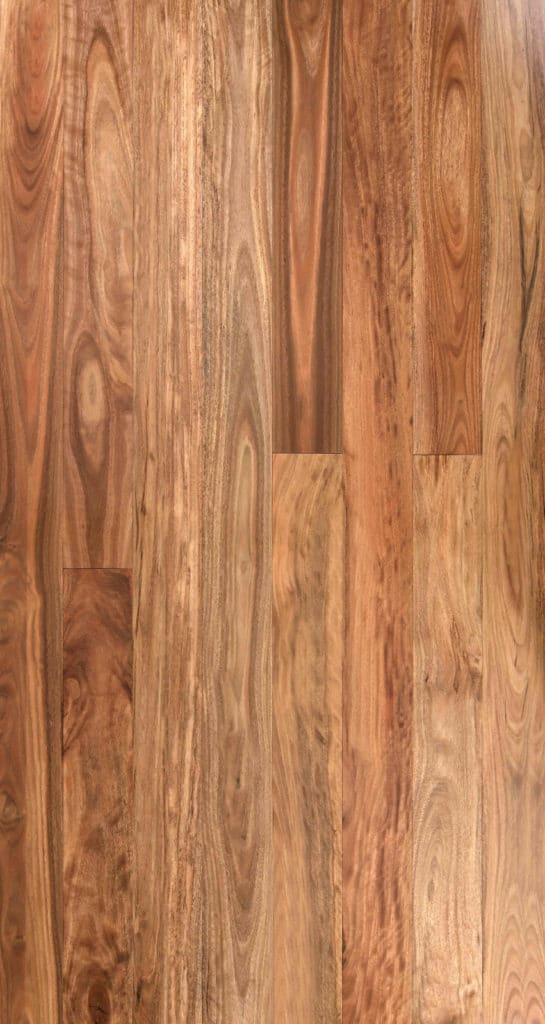
Why you will love it
Every board is timber through its profile, so species, cut, grade and finish remain visible as the floor ages. That authenticity brings character and also asks for thoughtful moisture, installation and maintenance planning.
Grain direction, gum vein, knots, sapwood and colour movement make the installed field unique to the boards selected for it.
Sunlight, use and maintenance can shift tone and sheen over time. Those changes are part of living with a natural surface.
Many solid profiles can be sanded or refinished, but the remaining board thickness, condition, coating and previous work determine what is possible.
Visual comparison
Think in visual character before formal grade names. Supplier grades differ, and their written description always takes priority.
Fewer visible features can produce a calmer, more uniform field, but natural colour movement remains part of real timber.
A measured mix of clear grain and natural features gives the floor presence without making every board a focal point.
Knots, gum vein, sapwood or stronger tonal shifts become an intentional part of the room. The accepted feature set depends on species and grade.
Before you choose: These are visual directions, not official grades. Compare the exact supplier grade, species rules, board samples and expected feature range before ordering.
Planning guide
Solid timber responds to its environment. Site readings, board conditioning and fixing details are part of the specification, not optional extras.
Test the subfloor and ambient conditions, address moisture sources and follow the supplier process for site storage or acclimatisation.
Review full boards and the written grade so sapwood, gum vein, knots and colour range match the intended interior. Confirm whether straight, parquet or another layout is actually supplied.
Confirm substrate, board profile, adhesive or mechanical fixing, expansion strategy, transitions and any heating-system restrictions.
Choose a compatible coating or factory finish, then set expectations for cleaning, sunlight, recoating and possible future sanding.
A question worth asking
Timber exchanges moisture with the surrounding air, so some seasonal movement can occur. Good design manages that behaviour through site control, board condition, fixing, expansion planning and indoor climate rather than promising a motionless material.
Verify before ordering
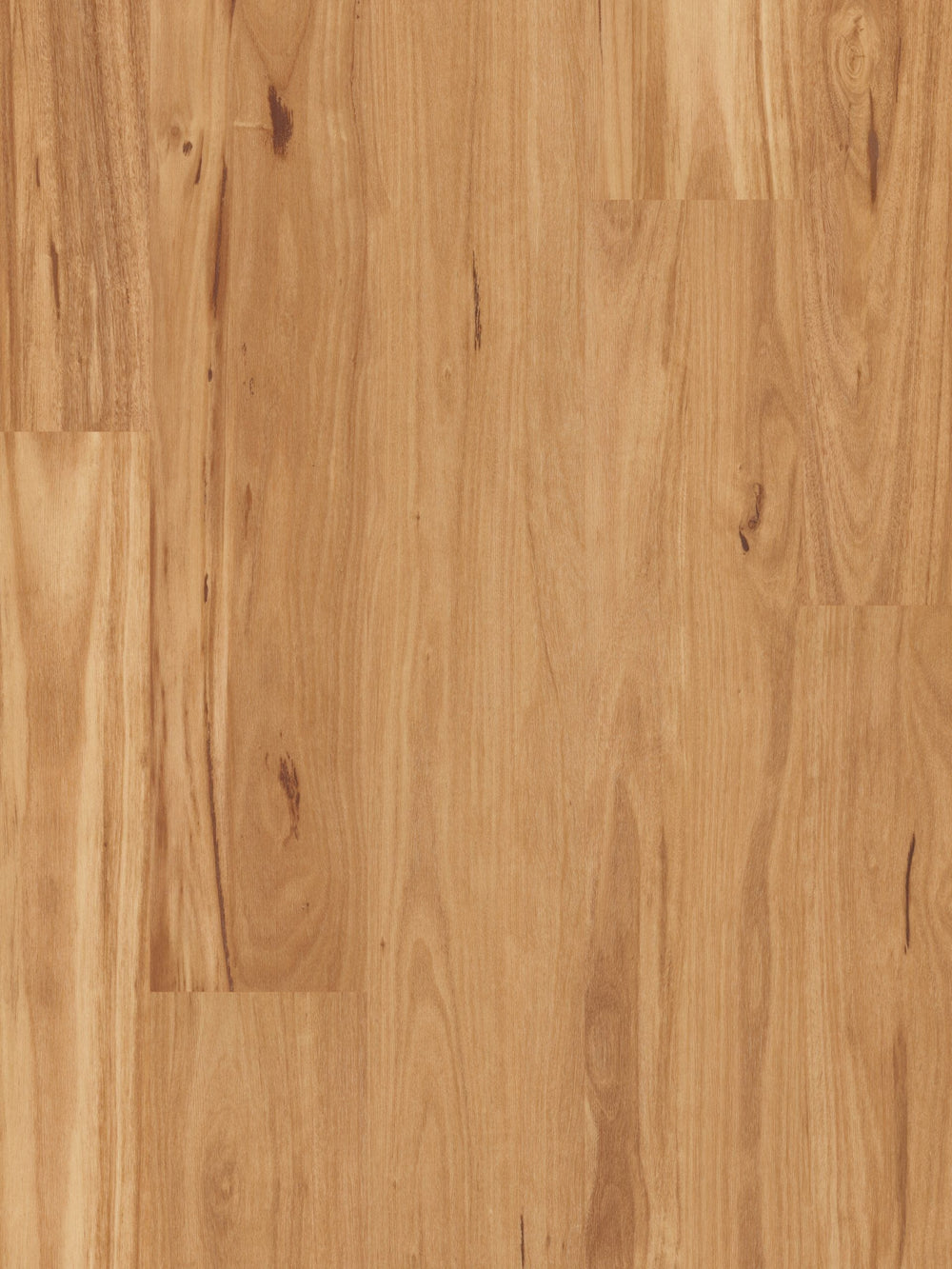
Supply + Install
Customer Questions
It depends on priorities. Solid timber offers long-term refinishing potential, while engineered timber is usually more dimensionally stable.
Sometimes, with the right system and moisture management. It needs a proper site assessment first.
Yes, timber can scratch. The advantage is that it can often be maintained, recoated or refinished over time.